How Fiber Crimp Affects Fabric Stretch Recovery
Fiber crimp — the natural or induced waviness in a textile strand — is the structural source of stretch and recovery ...
Read it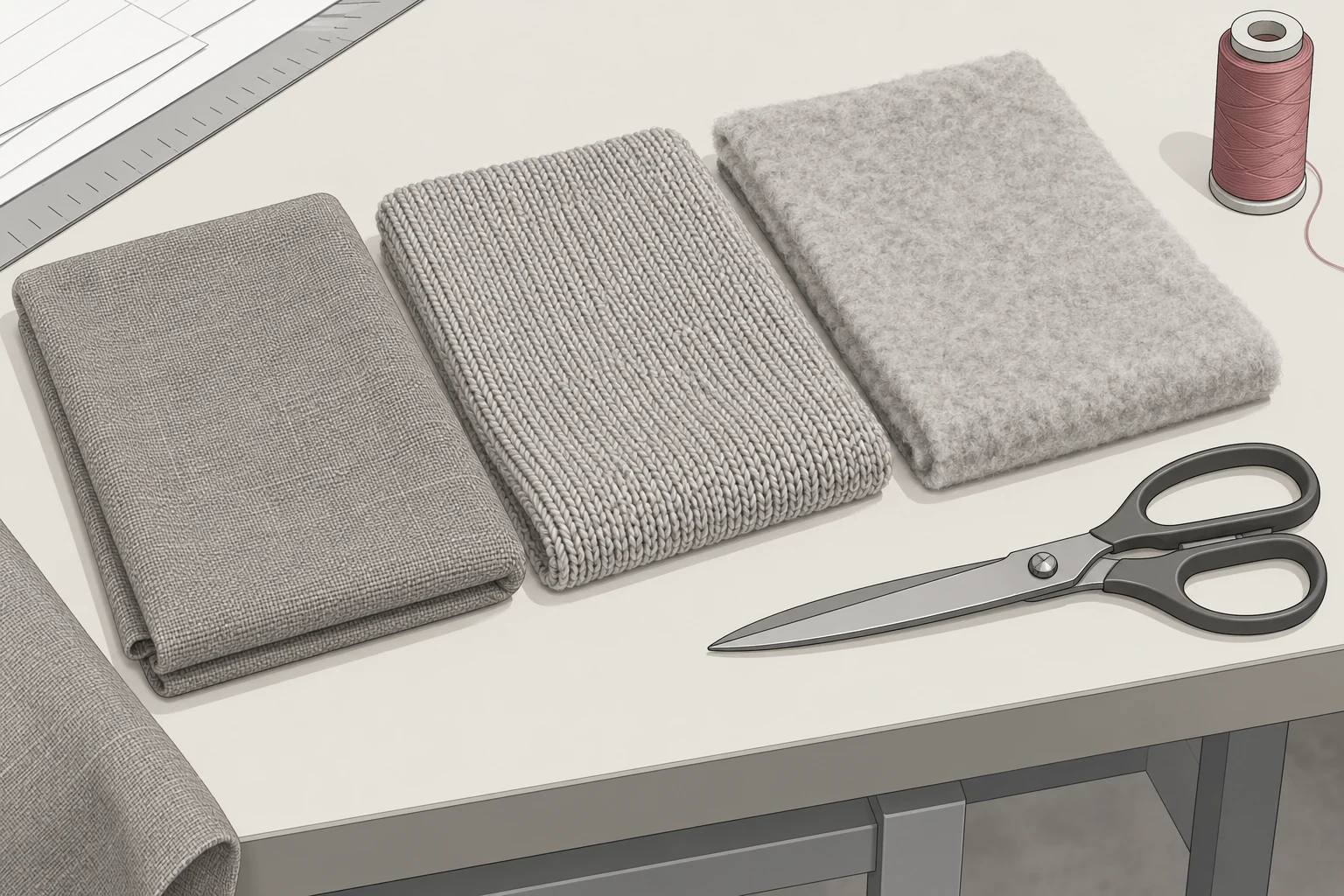
All The Fabric articles from Wear More Spend Less.
Fiber crimp — the natural or induced waviness in a textile strand — is the structural source of stretch and recovery ...
Read itFiber diameter, measured in microns, controls how a fabric feels against skin — and drives much of the cost differenc...
Read itFiber twist direction in yarn determines how readily surface fibers migrate, tangle, and form pills — a structural ou...
Read itDye fixation chemistry determines how much colorant bonds permanently to fiber — and how much washes out, fades, or t...
Read itFabric breathability depends on fiber type, yarn structure, and weave density — not on marketing terms. Here is how t...
Read itPilling is a mechanical surface failure caused by fiber ends tangling into knots. The fiber type, yarn twist, and fab...
Read itThe Textile Fiber Products Identification Act requires fiber content labels on clothing and sets the rules for what t...
Read itCotton-polyester blends combine two structurally different fibers whose competing properties determine how a garment ...
Read itYarn twist rate controls how tightly fibers bind together, directly setting a fabric's tensile strength, pilling resi...
Read itFabric weight is expressed in grams per square metre or ounces per square yard and determines how a textile drapes, i...
Read itA garment’s fiber content sets a ceiling on its durability before construction quality or care ever enters the picture.
Read articleThread count measures how many threads fit within one square inch of fabric, but higher numbers don’t always mean higher quality.
Read article